Global Auto Dynamics: Changing Buyer Tactics in the West and BYD’s Slump in the East
The international automotive sector is currently witnessing massive shifts on multiple fronts. Out in the United States, value-conscious buyers are actively figuring out smart loopholes to bypass the traditionally exhausting dealership experience. At the exact same time, the world’s largest auto market in China is seeing a brutal domestic price war that is severely denting the sales volumes of major electric vehicle players, forcing them to aggressively look outward for survival.
Bypassing the Dealership Hassle
Take the case of a rather interesting car buying strategy that recently came to light. A buyer managed to save upwards of $11,000 on a new vehicle simply by leveraging a Costco wholesale membership. The discovery happened quite by chance during a routine grocery run this past summer, when a promotional pamphlet caught the shopper’s eye right near the exit. The individual had been wanting to purchase a vehicle for a while but kept putting it off. Frankly, nobody wants to waste an entire day getting the runaround from persistent salespeople or haggling over numbers at a showroom.
The warehouse giant actually runs an Auto Program that essentially eliminates the worst aspects of car shopping. It partners with select, authorized dealerships to give its members access to prearranged, discounted pricing on both new and used vehicles. Initially, the whole scheme sounded entirely too good to be true. One would naturally assume such a platform is only valid for clearing out slow-moving inventory or base models that no one really wants to buy. However, the buyer had their sights set firmly on the highly anticipated, updated 2025 Toyota 4Runner. Living in a major, bustling market like Miami usually means bracing for hefty dealer fees and arbitrary market adjustments, making this the perfect test case to see if the program held water.
The process turned out to be remarkably straightforward. After filling out a basic online form, the buyer was matched with a local approved dealership and provided with the direct contact details of a few employees. The dealership got the buyer’s number as well, and the phone quickly started ringing. Anybody who has ever dropped their personal information into a dealership portal knows the sheer volume of spam that usually follows, so there was some obvious hesitation to answer. But once on the line, the sales staff were surprisingly upfront. They clearly stated the lead came through Costco and immediately laid out exactly how many 4Runner models and trims they currently had in stock. From there on, the pricing was completely pre-negotiated. There was no tedious back-and-forth and absolutely no “let me check with my manager” tactics.
Fierce Competition Hits Chinese EV Makers
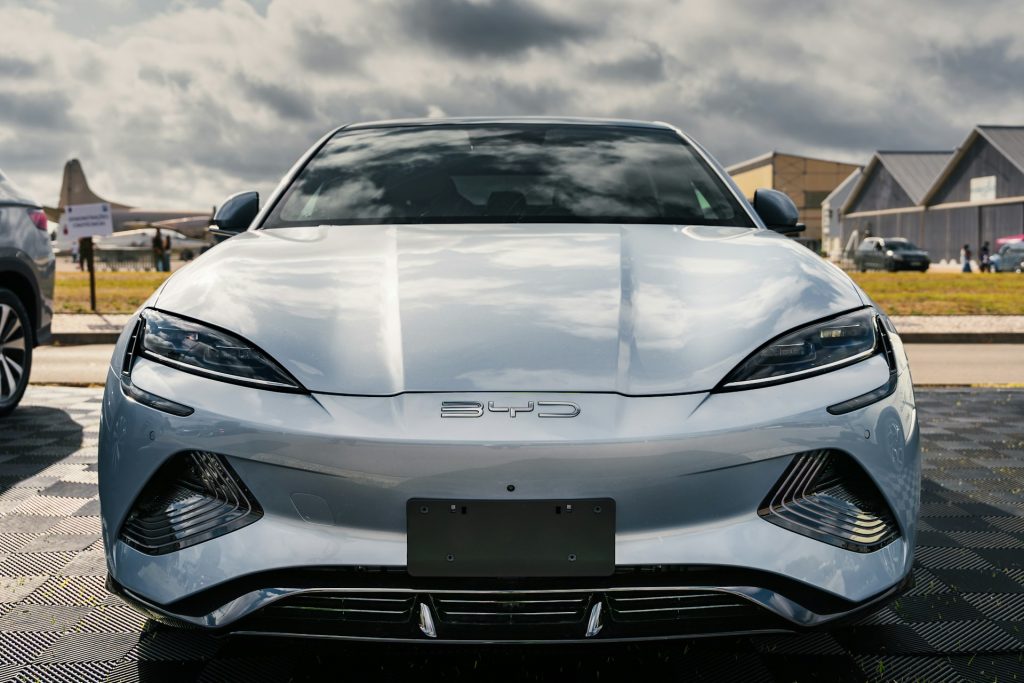
While American consumers are finding streamlined ways to secure their preferred combustion-engine SUVs, the electric vehicle landscape in China tells a story of intense struggle. BYD, the prominent Chinese EV manufacturer, is facing severe headwinds on its home turf. The company posted its seventh consecutive monthly sales decline this past March. Calculations based on previous corporate filings and a recent social media update from BYD executive Li Yunfei indicate that March vehicle sales plunged 20.5% year-on-year to 300,222 units. Even though this is a slight relief from the steeper 41.1% drop witnessed in February, the overall first-quarter vehicle sales were still down by a whopping 30% compared to the previous year.
The core issue lies in the hyper-competitive nature of the Chinese market. Rivals like Leapmotor and Geely are aggressively squeezing BYD’s market share. To combat this slump, the EV market leader recently rolled out its first major battery upgrade in six years. This new lineup comes with a price tag above 150,000 yuan, which roughly translates to $21,721. In a market where buyers are increasingly leaning towards budget-friendly options, crossing this key pricing threshold has sparked serious doubts about the new lineup’s ability to actually revive domestic sales. The financial strain is already highly visible across the board. BYD saw its vehicle margins shrink last year, leading to its first annual profit decline in four years and entirely missing market estimates.
Looking Outward for Growth
Squeezed heavily at home, BYD is currently chalking out a massive international expansion strategy. Overseas sales are presently the major bright spot for the automaker. In the first quarter alone, the company shipped 320,673 vehicles abroad, making up a solid 45.8% of their total sales volume. The company management remains highly confident about their global trajectory, having set a rather ambitious target to hit 1.5 million overseas vehicle sales by the year 2026. As domestic battles rage on and global consumers continue to demand better pricing and hassle-free experiences, catering to the international buyer might just be the exact pivot BYD needs to sustain its massive scale.